विस्तार · Spread
Where families went
The families in this archive have moved in a recognisable sequence: out of the Goan villages down the Karavali coast, from the coast to Bombay and the other cities, and from the cities to the Gulf and the West. Most households can name the generation that made each jump. Plotted from the birthplaces recorded here, the pattern is visible in the aggregate — for these families, which is not the same as for anyone else’s.
Births by generation
Each bar is a twenty-year span — roughly one generation — coloured by where the children of that generation were born.
| Period | Goa | Konkan & Karavali | The cities | Abroad | Total |
|---|---|---|---|---|---|
| 1780–1799 | 9 | 0 | 0 | 0 | 9 |
| 1800–1819 | 19 | 4 | 0 | 0 | 23 |
| 1820–1839 | 46 | 14 | 0 | 0 | 60 |
| 1840–1859 | 60 | 30 | 0 | 0 | 90 |
| 1860–1879 | 30 | 53 | 0 | 0 | 83 |
| 1880–1899 | 18 | 73 | 0 | 0 | 91 |
| 1900–1919 | 16 | 97 | 32 | 0 | 145 |
| 1920–1939 | 25 | 69 | 93 | 0 | 187 |
| 1940–1959 | 23 | 80 | 117 | 40 | 260 |
| 1960–1979 | 0 | 54 | 157 | 80 | 291 |
| 1980–1999 | 0 | 9 | 102 | 99 | 210 |
| 2000–2019 | 0 | 0 | 25 | 55 | 80 |
The spread, as one figure
Four rings, drawn outward from the mool. Each dot is a place; its size is how many people the archive records there. Places are set around each ring west to east, so the figure keeps a rough sense of the map.
What the families left behind, and still name
The households in this archive scattered from Goa across four centuries, and the thing almost none of them let go of was the kuladevata. A family that has forgotten its village can nearly always still tell you its deity — which is why it is the single most reliable way to reconnect two branches that lost each other, and why it is worth seeing the buildings rather than only reading the names.
Many of these images were carried inland to Ponda and Bicholim in the sixteenth and seventeenth centuries, ahead of the destruction of temples in the Old Conquests. Where that happened, the village the deity came from is named below — and it is very often the mool a family still gives, four hundred years after anyone last lived there.
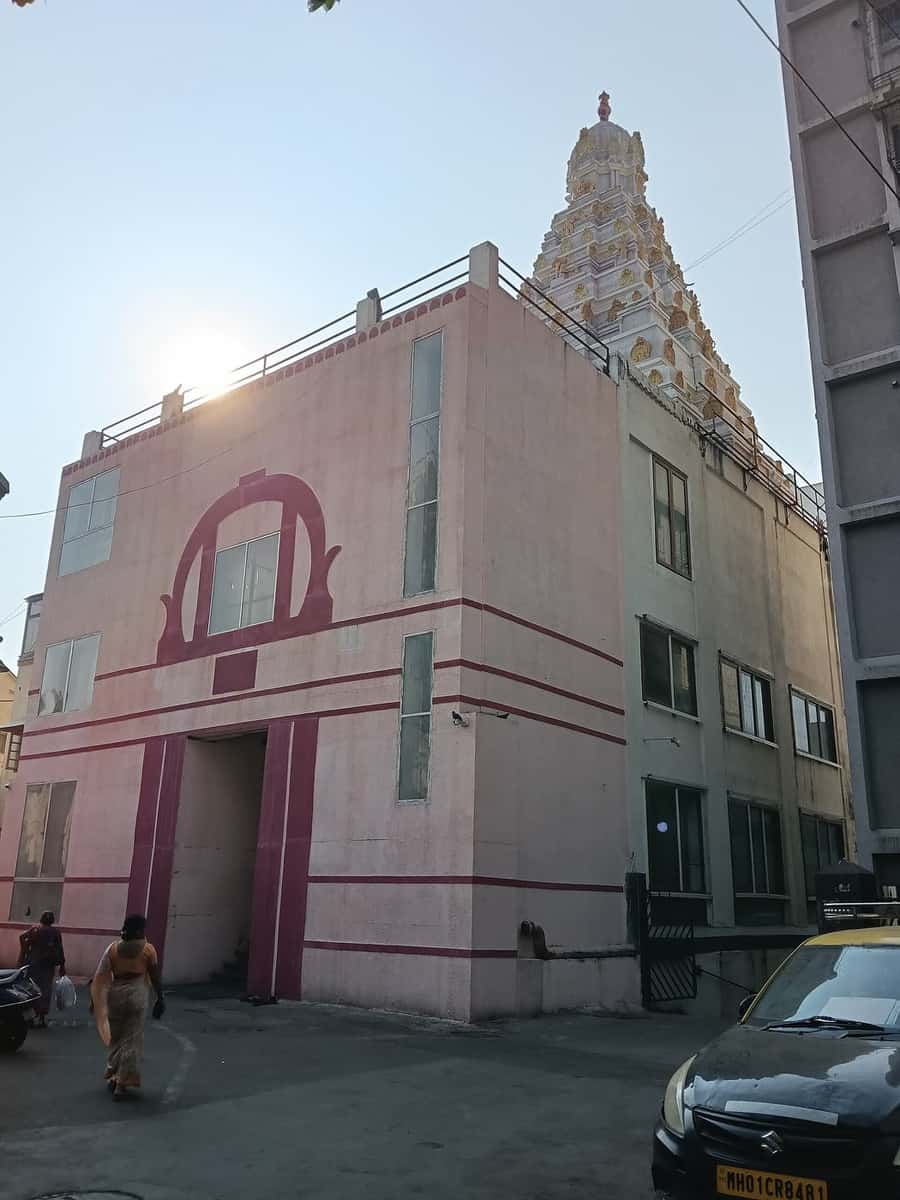
Shri Kashi Math Samsthan
श्री काशी मठ संस्थानThe Vaishnava seat established in 1542 under Shrimad Yadavendra Tirtha, with its principal branch at Walkeshwar in Mumbai — which is where most of the diaspora families of this lineage actually go.
501 people name this mathaPhotograph Sntshkumar750, CC BY-SA 4.0 · source
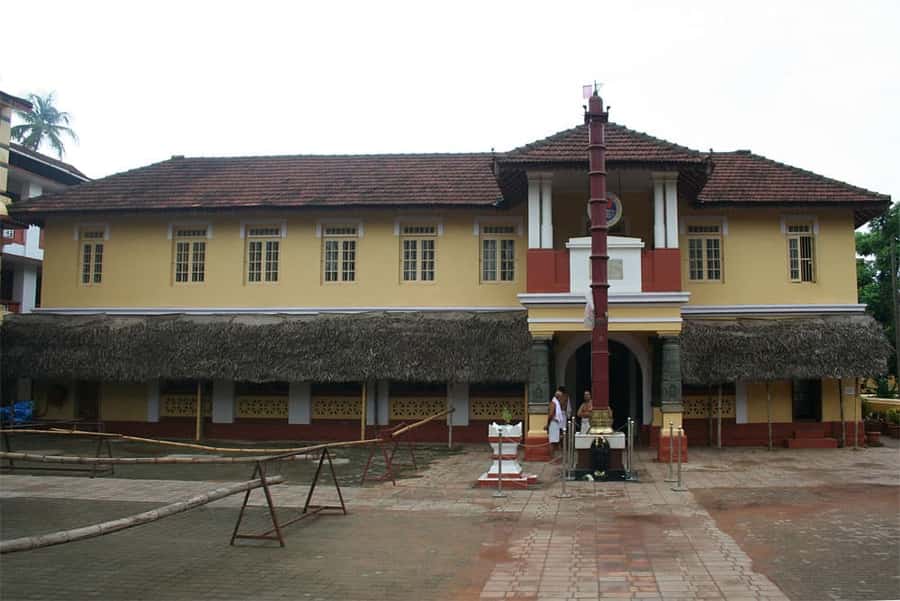
Shri Chitrapur Math
श्री चित्रापूर मठShirali
The spiritual home of the Chitrapur Saraswats — the Bhanaps — at Shirali in Uttara Kannada. The guru parampara begins with Shrimat Parijnanashram Swami I, around 1708.
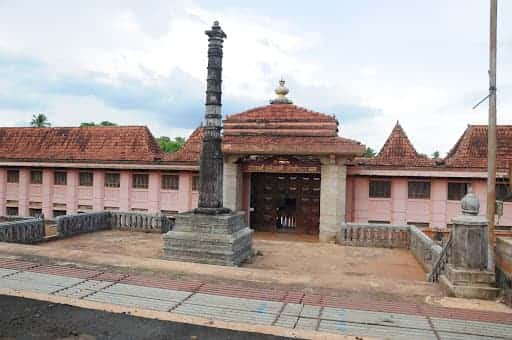
Shri Gokarn Partagali Jeevottam Math
श्री गोकर्ण पर्तगाळी जीवोत्तम मठCanacona
Founded around 1475 by Shrimad Narayana Teertha at Partagali in Canacona. A principal Vaishnava seat of the Goud Saraswat community.
361 people name this mathaPhotograph Pranavhegde006, CC BY-SA 4.0 · source
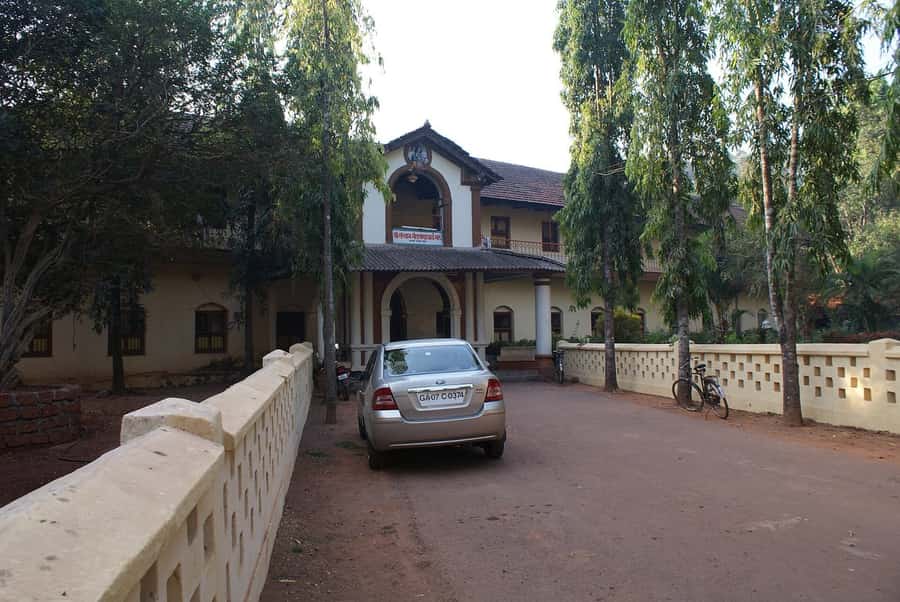
Shri Saunsthan Gaudapadacharya, Kavale
श्री संस्थान गौडपादाचार्यKavale
Traditionally the oldest of the Saraswat mathas, tracing to Shri Gaudapadacharya. Smarta, and the seat named by GSB, Rajapur and Kudaldeshkar households alike.
295 people name this mathaPhotograph Ashok Prabhu ( talk ), Public domain · source
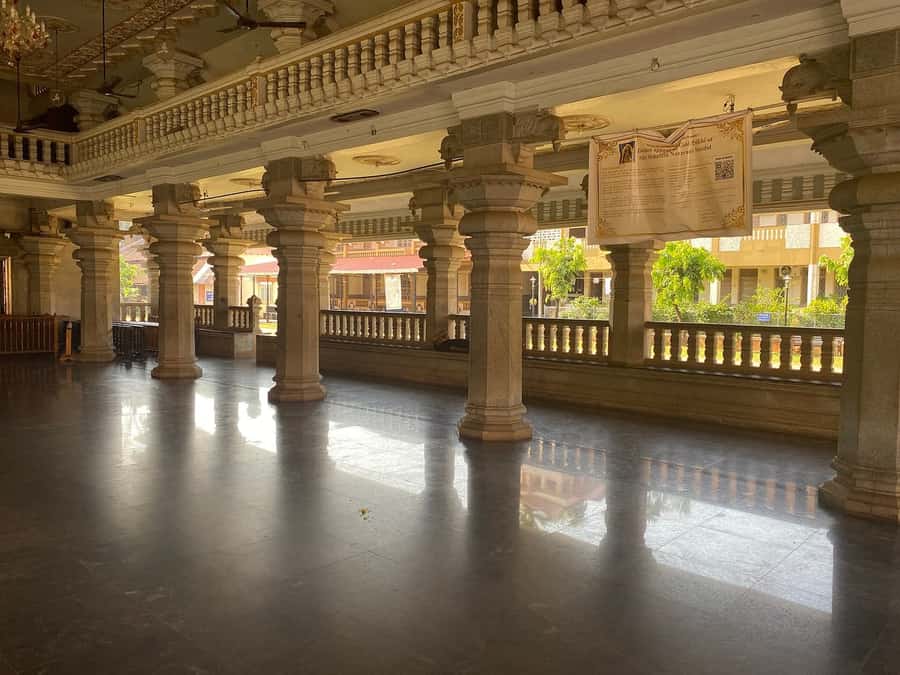
Shri Mahalasa Temple
श्री महालसा नारायणीMardol · carried from Verna
Vishnu in the Mohini form, brought from Verna to Mardol. The brass lamp tower in the courtyard is lit on Kojagiri Purnima and is among the tallest in Goa.
277 people name this deityPhotograph Vinayaraj, CC BY-SA 4.0 · source
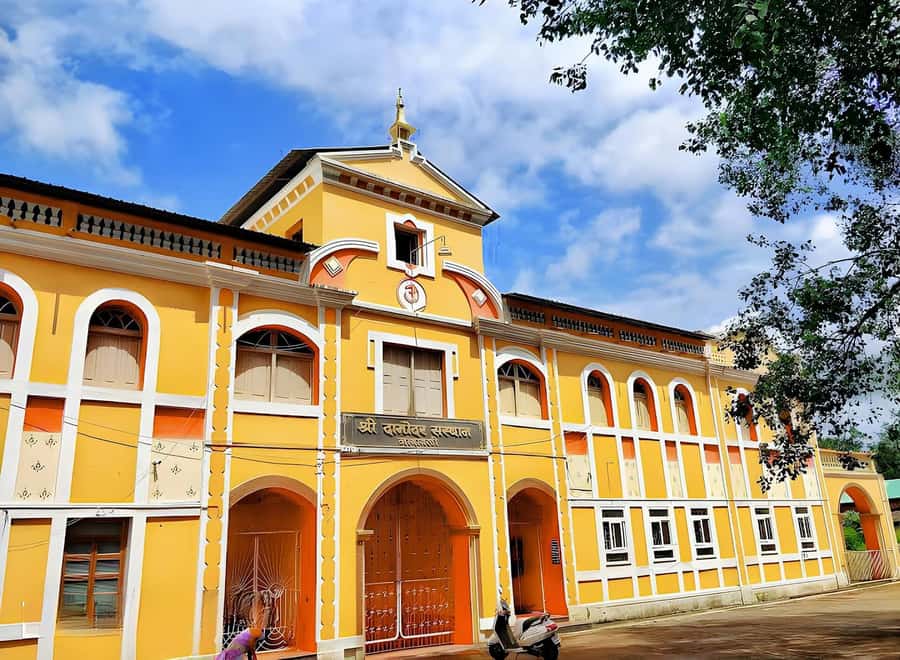
Shri Damodar Temple
श्री दामोदरZambaulim · carried from Mathagram
Shiva as Damodar, originally of Mathagram — Margao. The Kushavati river beside it is held to cure, and the Gulal festival here is attended by Hindu and Christian families alike.
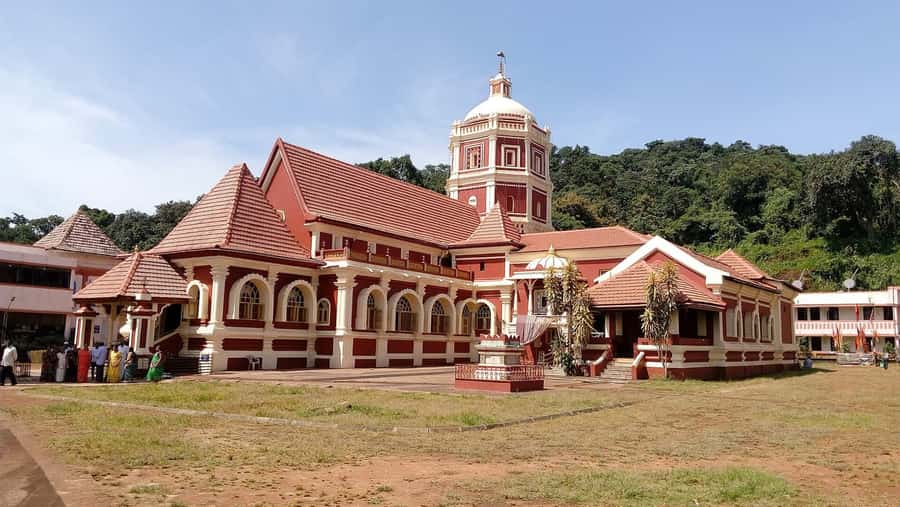
Shri Shantadurga Temple
श्री शांतादुर्गाKavale · carried from Keloshi
Parvati in the act of making peace between Shiva and Vishnu. Originally of Keloshi (Quelossim); more Saraswat households name Shantadurga as their kuladevata than any other deity.
191 people name this deityPhotograph Amol.Gaitonde, CC BY-SA 4.0 · source
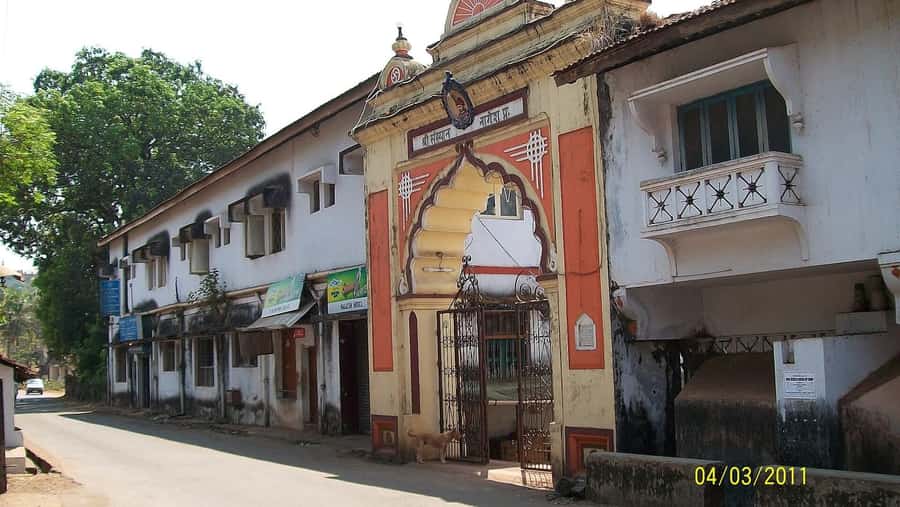
Shri Nagesh Maharudra Temple
श्री नागेशBandora
Shiva as Nagnath. An inscription on the temple tank dates the site to 1413, which makes it one of the few Goan temples standing on ground it never had to leave.
186 people name this deityPhotograph Deepak Patil, CC BY-SA 3.0 · source
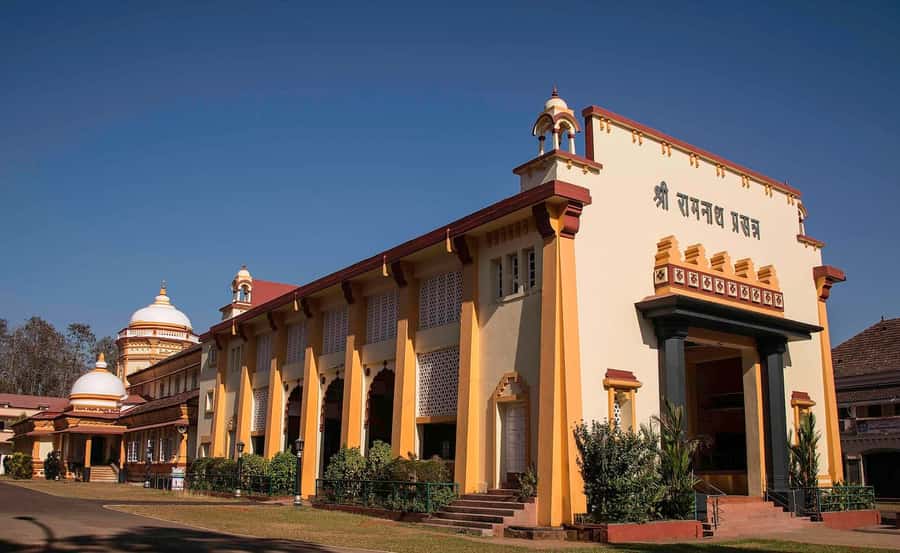
Shri Ramnathi Temple
श्री रामनाथBandora · carried from Loutolim
Shiva as Ramnath, moved inland from Loutolim. The silver screen before the sanctum is worked with scenes that families come specifically to see.
155 people name this deityPhotograph Mahabalaindia, CC BY-SA 4.0 · source
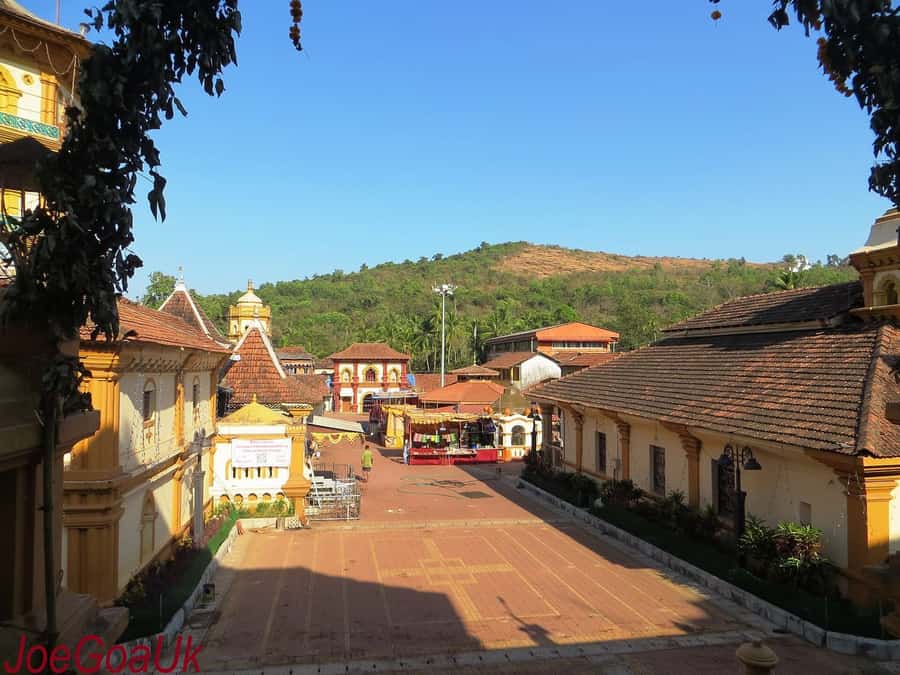
Shri Kamakshi Temple
श्री कामाक्षीShiroda · carried from Raia
Parvati as Kamakshi, brought from Raia in Salcete. The Rayeshwar and Laxmi Narayan shrines share the compound.
151 people name this deityPhotograph Joegoauk Goa, CC BY-SA 2.0 · source
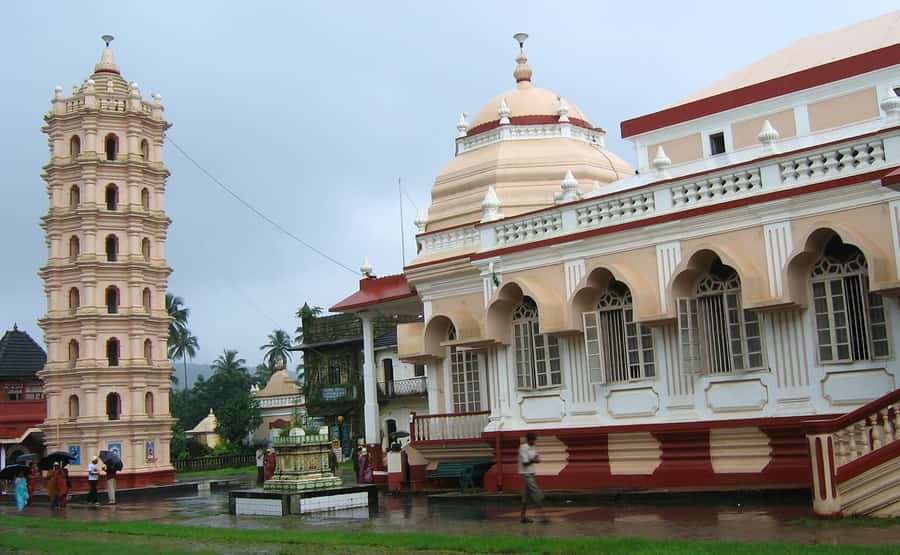
Shri Mangueshi Temple
श्री मंगेशPriol · carried from Kushasthali
Shiva as Mangirish. The deity was carried from Kushasthali — Cortalim, on the Zuari — to Priol in the sixteenth century, and the seven-storey deepstambha in front of it is the one most Saraswats picture when they picture a Goan temple.
132 people name this deityPhotograph Vinayaraj, CC BY-SA 3.0 · source
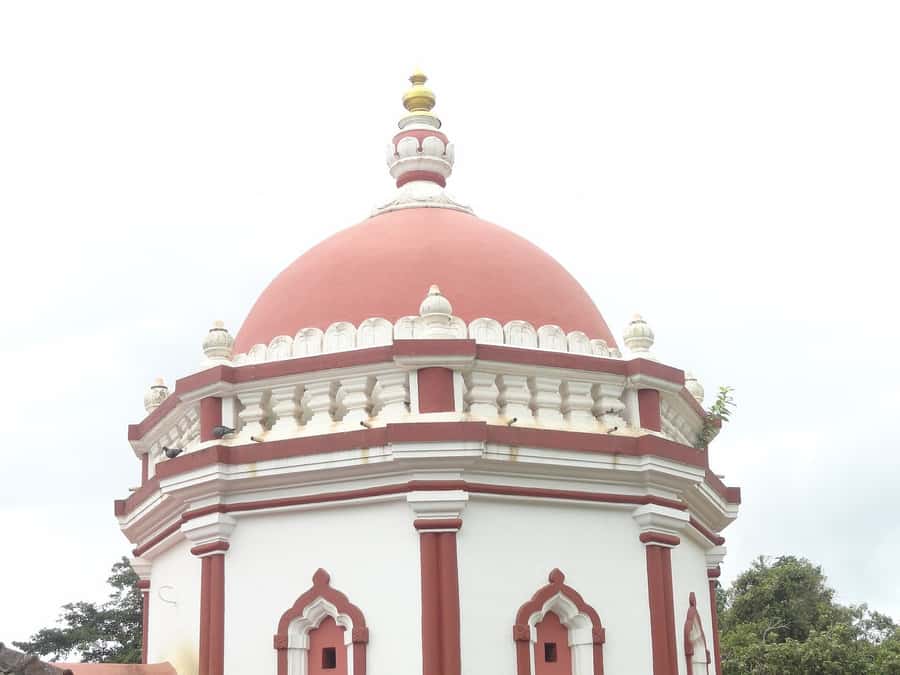
Shri Vijayadurga Temple
श्री विजयादुर्गाKeri
Durga as the victorious. A smaller temple than most in this list, and the kuladevata of a correspondingly close-knit set of families.
48 people name this deityPhotograph Subhash Jan, CC BY-SA 4.0 · source
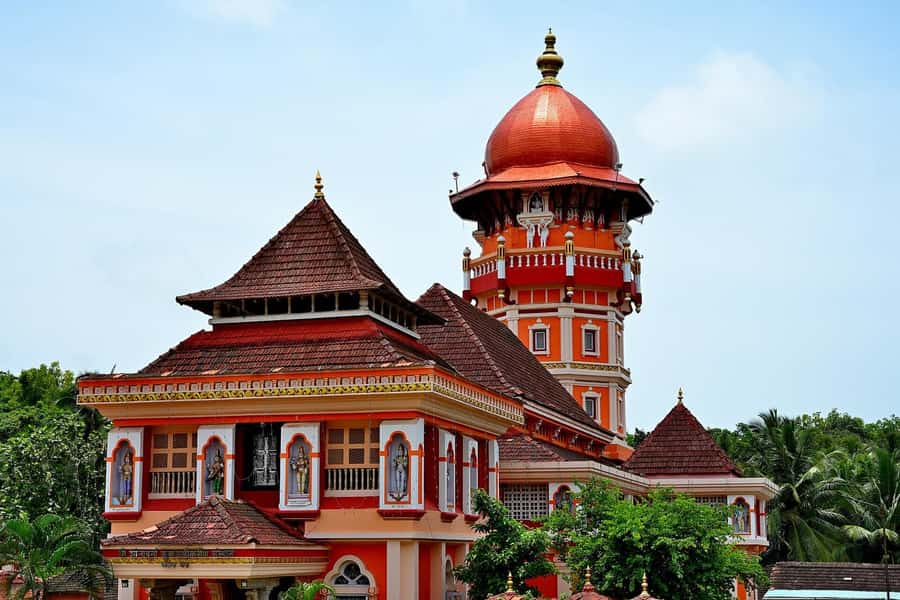
Shri Shantadurga Kunkalikarin Temple
Fatorpa · carried from Cuncolim
The Shantadurga of the Cuncolim families, moved to Fatorpa after the revolt of 1583. The Shisharanni festival still returns the deity towards Cuncolim once a year.
44 people name this deityPhotograph Sharvarism, CC BY-SA 4.0 · source
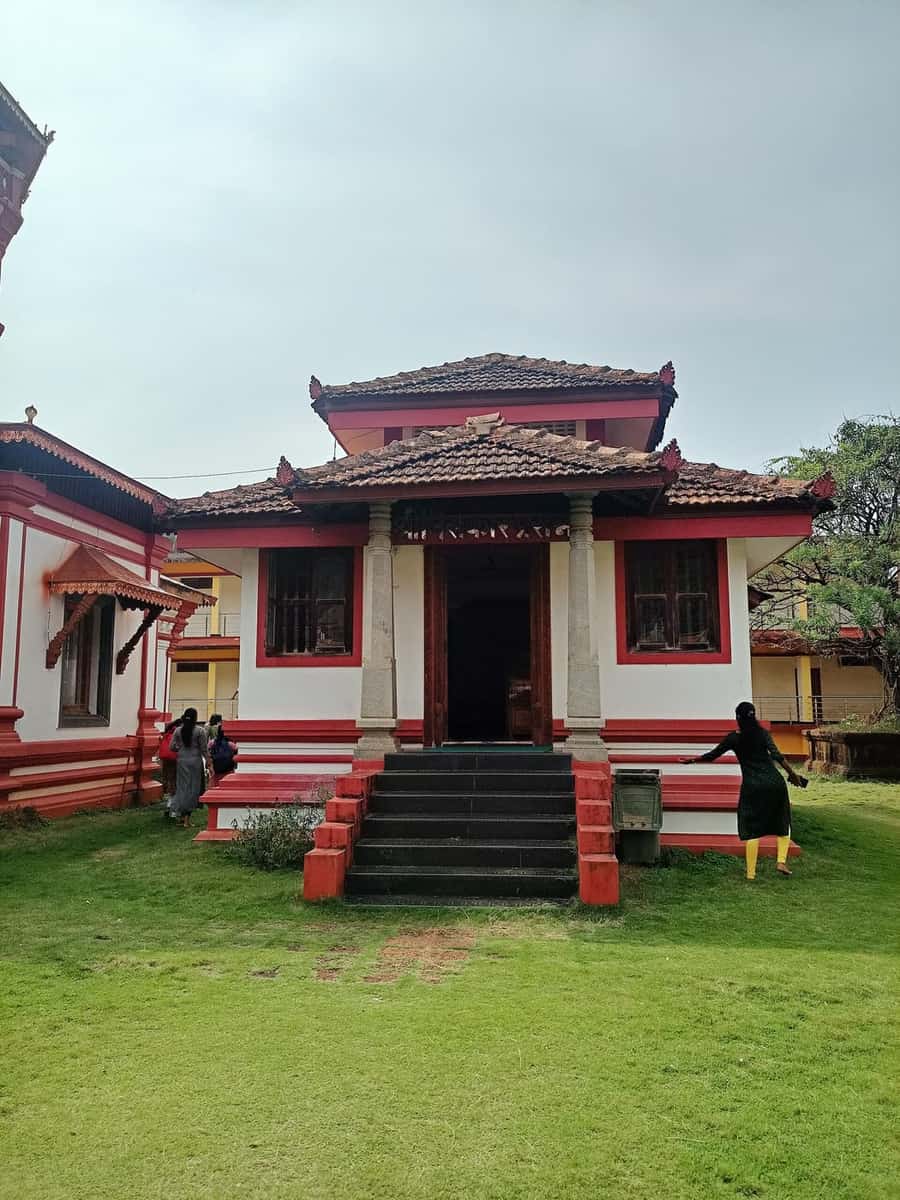
Shri Mallikarjun Temple
श्री मल्लिकार्जुनCanacona
Shiva as Mallikarjun, deep in Canacona where the Portuguese conquest arrived late and the temple was never moved.
30 people name this deityPhotograph Divya Dilip Sawant, CC BY-SA 4.0 · source
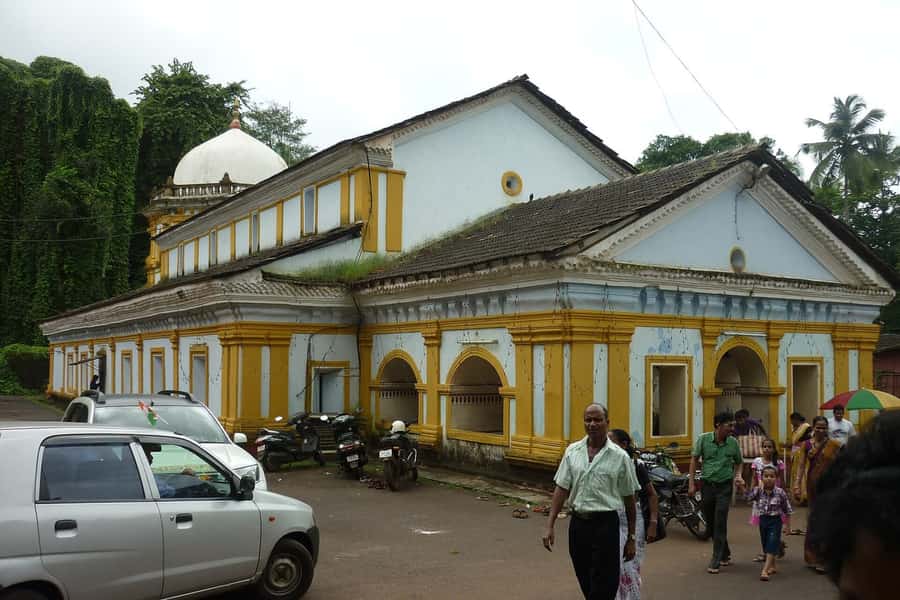
Shri Saptakoteshwar Temple
श्री सप्तकोटेश्वरNarve · carried from Divar
The tutelary deity of the Kadamba kings of Goa, formerly of Divar island. Rebuilt at Narve in 1668 under Shivaji, and the only Goan temple of its period with a distinctly Maratha profile.
15 people name this deityPhotograph Savika Gomes, CC BY-SA 4.0 · source
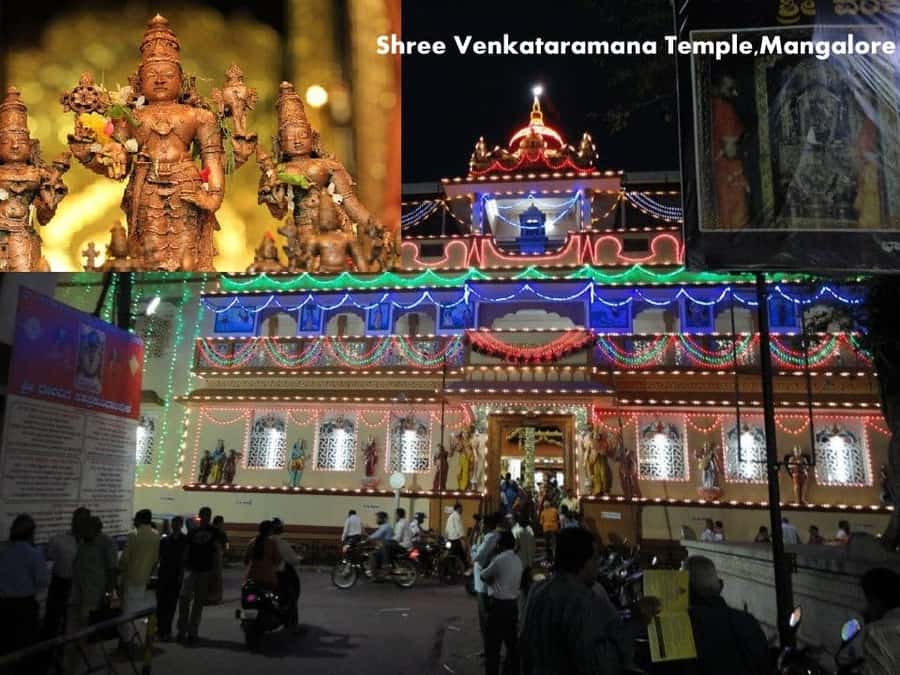
Shri Venkataramana Temple
श्री वेंकटरमणMangalore
The principal temple of the GSB families who settled along the coastal Karnataka strip. Not a Goan temple at all — which is the point of it: it is where the families who left built again.
14 people name this deityPhotograph Ganeshrao53, CC BY-SA 3.0 · source
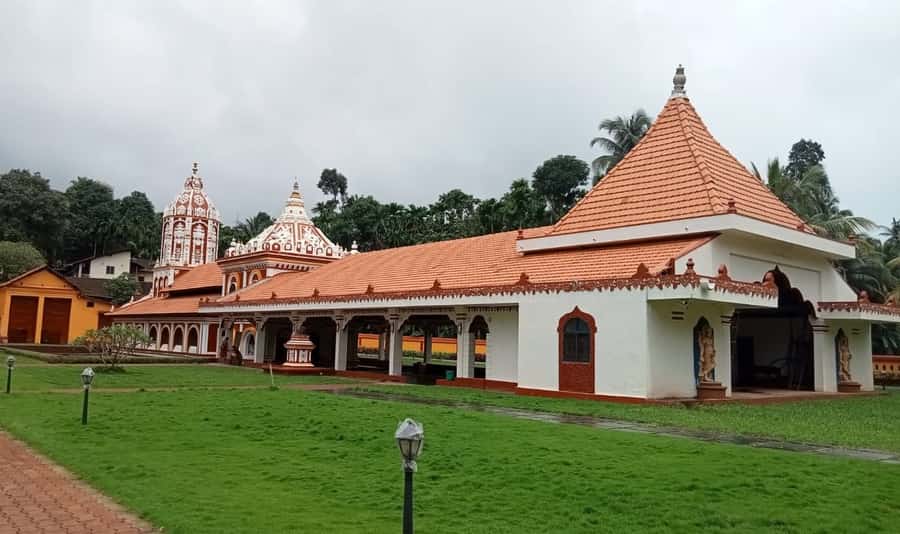
Shri Ananta Temple
श्री अनंतSavoi Verem
Vishnu reclining on Shesha, at Savoi Verem. One of the few reclining Vishnu images in Goa.
Families who name this deityPhotograph KaushikiPD, CC BY-SA 4.0 · source
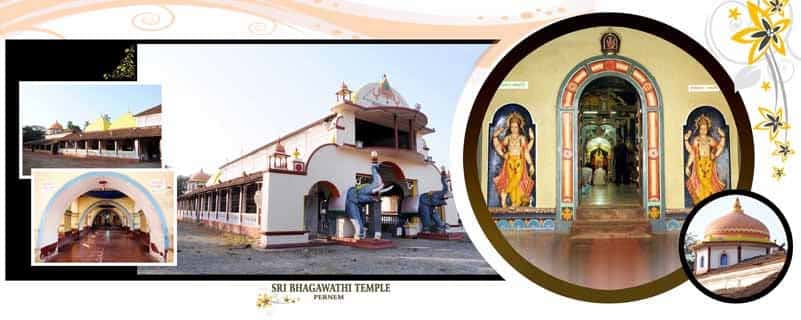
Shri Bhagavati Temple
श्री भगवतीPernem
Durga as Bhagavati, in Pernem north of the Chapora — the New Conquests, annexed late enough that the temples there were left standing.
Families who name this deityPhotograph Konkani Manis, CC BY-SA 3.0 · source
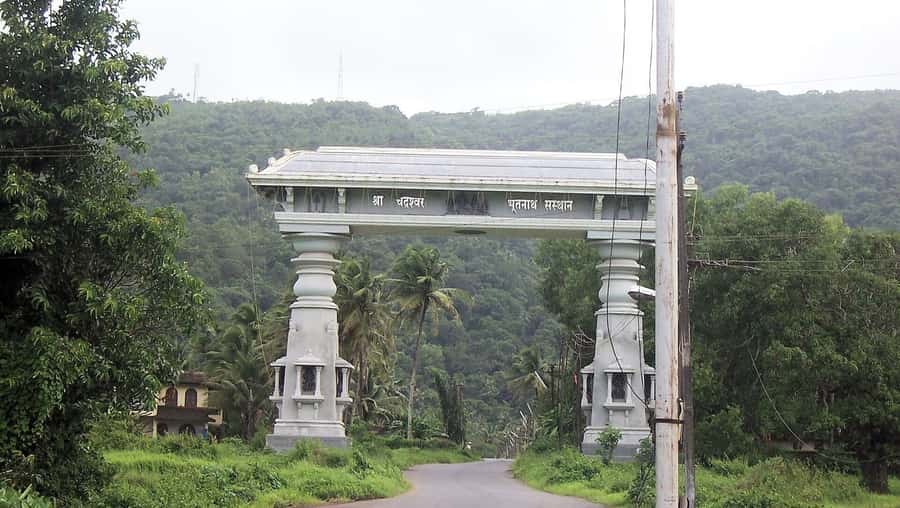
Shri Chandreshwar Bhutnath Temple
Paroda
Shiva on the Chandranath hill above Paroda, where the sanctum is built so that moonlight falls on the linga. The climb is part of the visit.
Families who name this deityPhotograph Prajakt Kamulkar, CC BY-SA 4.0 · source
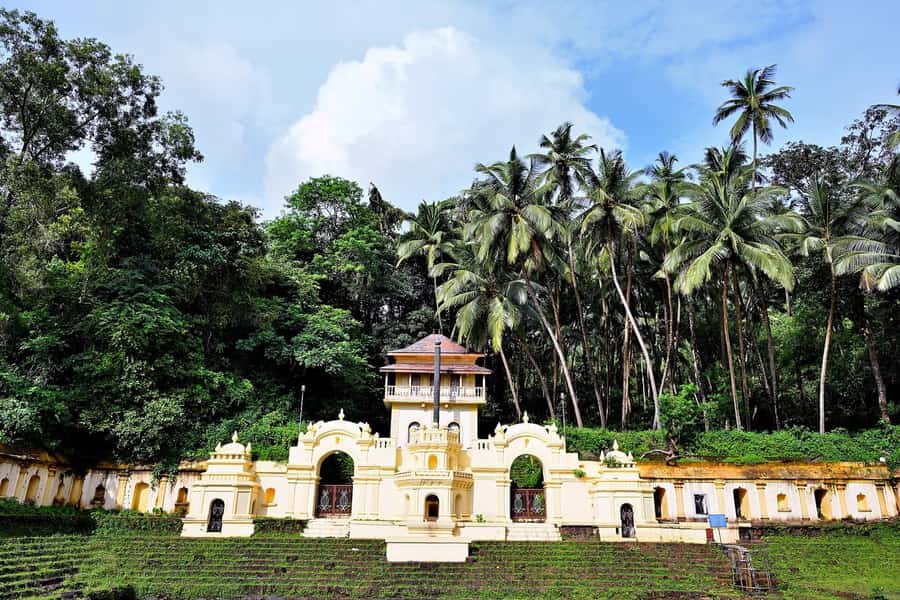
Shri Lakshmi Narasimha Temple
श्री लक्ष्मी नरसिंहVeling
Vishnu as Narasimha, with Lakshmi. The tank and the sloping laterite steps below the temple are seventeenth-century.
Families who name this deityPhotograph Sharvarism, CC BY-SA 4.0 · source
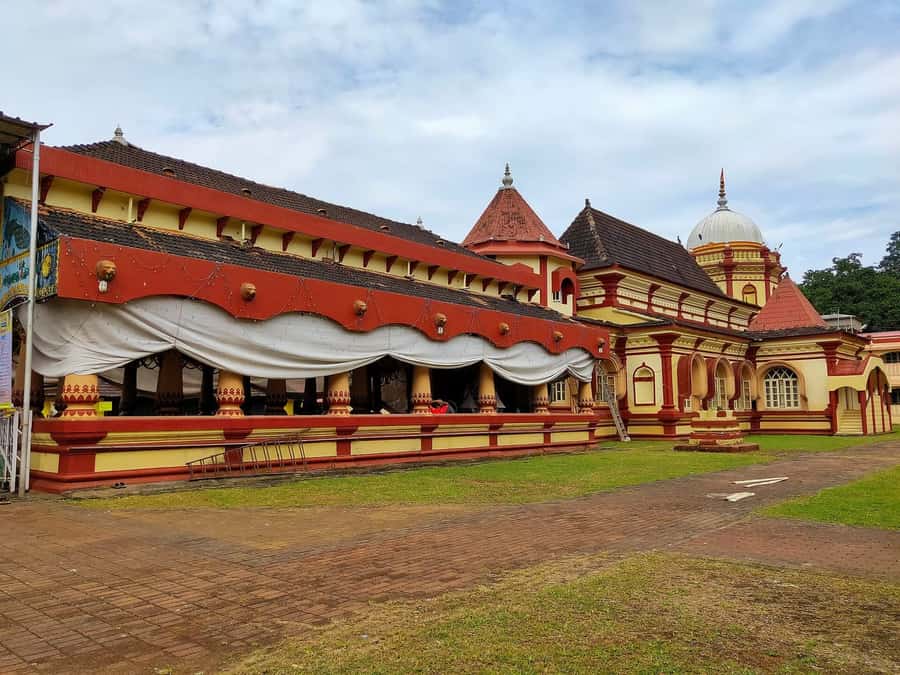
Shri Navadurga Temple
श्री नवदुर्गाMadkai
Durga in her nine forms. The temple at Madkai is known for the tradition of putting questions to the deity through the palanquin.
Families who name this deityPhotograph Kuldeep Dilip Sawant, CC BY-SA 4.0 · source
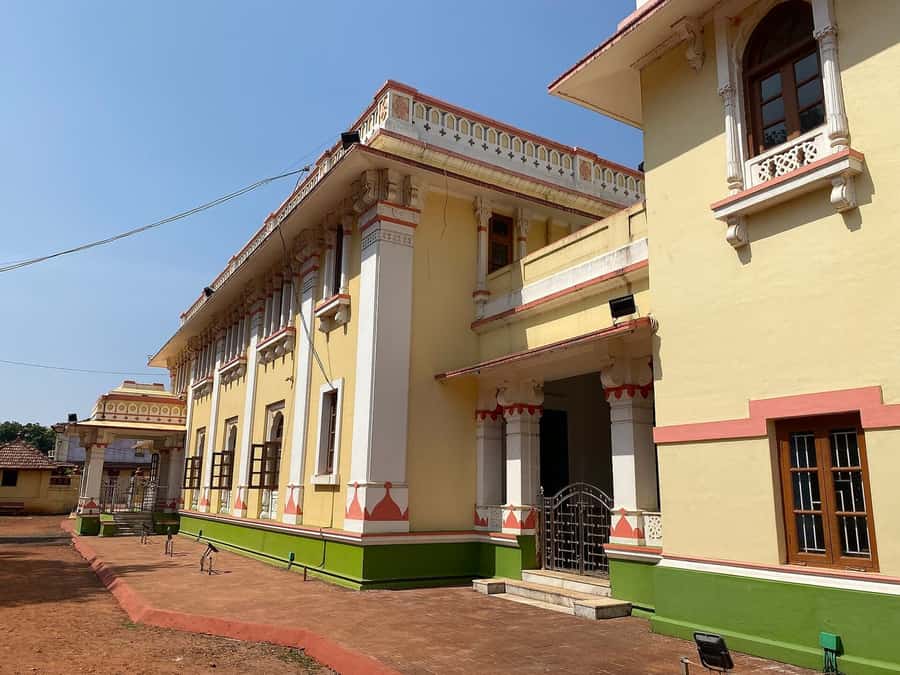
Shri Vithal Temple
श्री विठ्ठलSanquelim
Vishnu as Vitthala, standing on the brick — the Pandharpur form, carried into Goa by families who kept the Varkari connection.
Families who name this deityPhotograph Vinayaraj, CC BY-SA 4.0 · source
These photographs are other people’s work, gathered from Wikimedia Commons under free licences and reproduced here with the photographer and licence attached to each one. The temples are not a complete list — several of the deities named in this archive have no freely licensed photograph yet. If you have taken one, releasing it on Commons puts it here and everywhere else it is needed.
A caution about this chart
It shows where the archive has records, not where the community is. Families who kept written records, and families whose descendants are online today, are both over-represented; the branches that stayed in the villages are the ones least likely to have been written down. Read it as a picture of this archive’s coverage, and help correct it by adding the branches it is missing.